DESIGNING A SMARTER WAY TO INTERACT WITH WILDLIFE.
Designing a smarter way to interact with wildlife.
Eco Eye
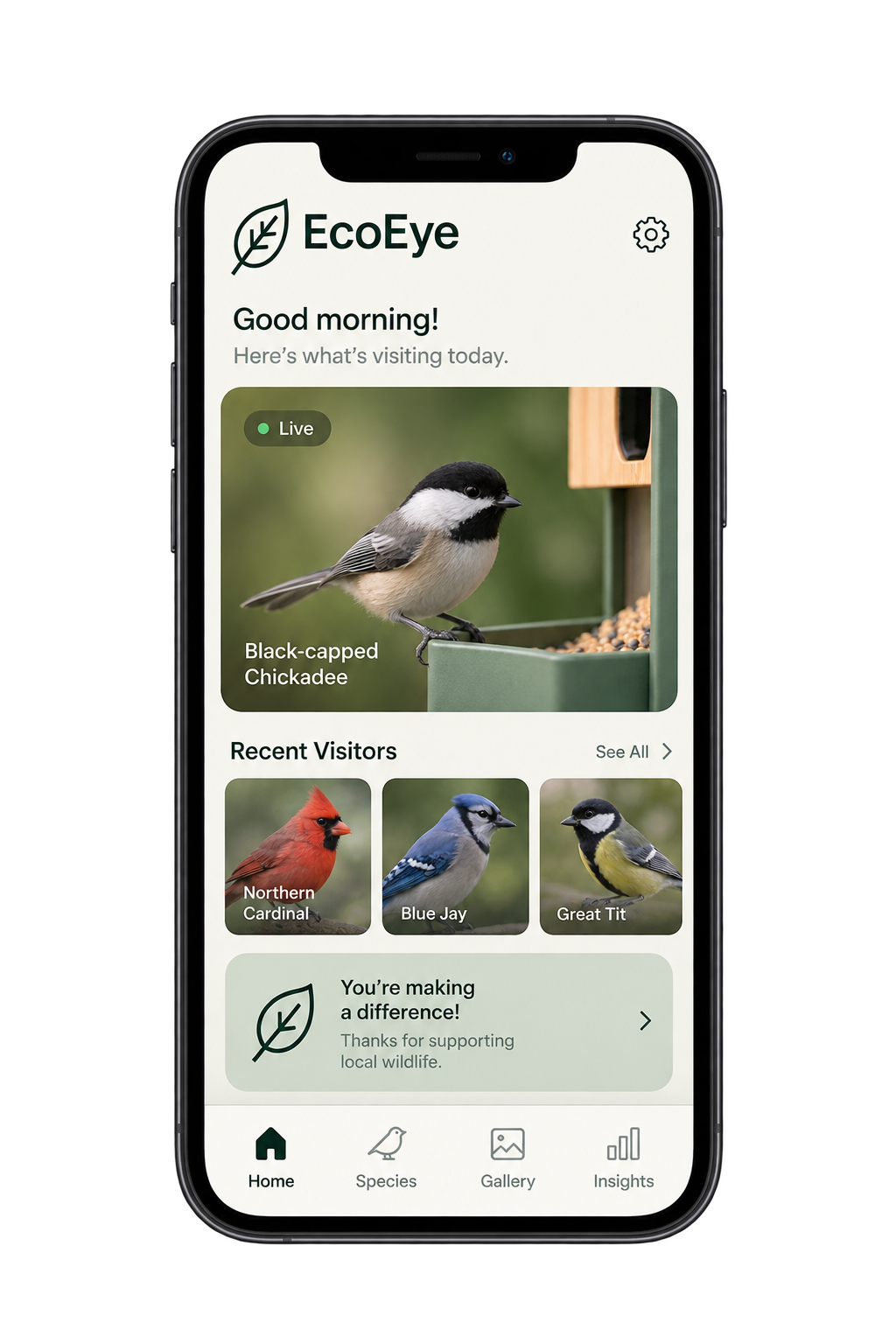
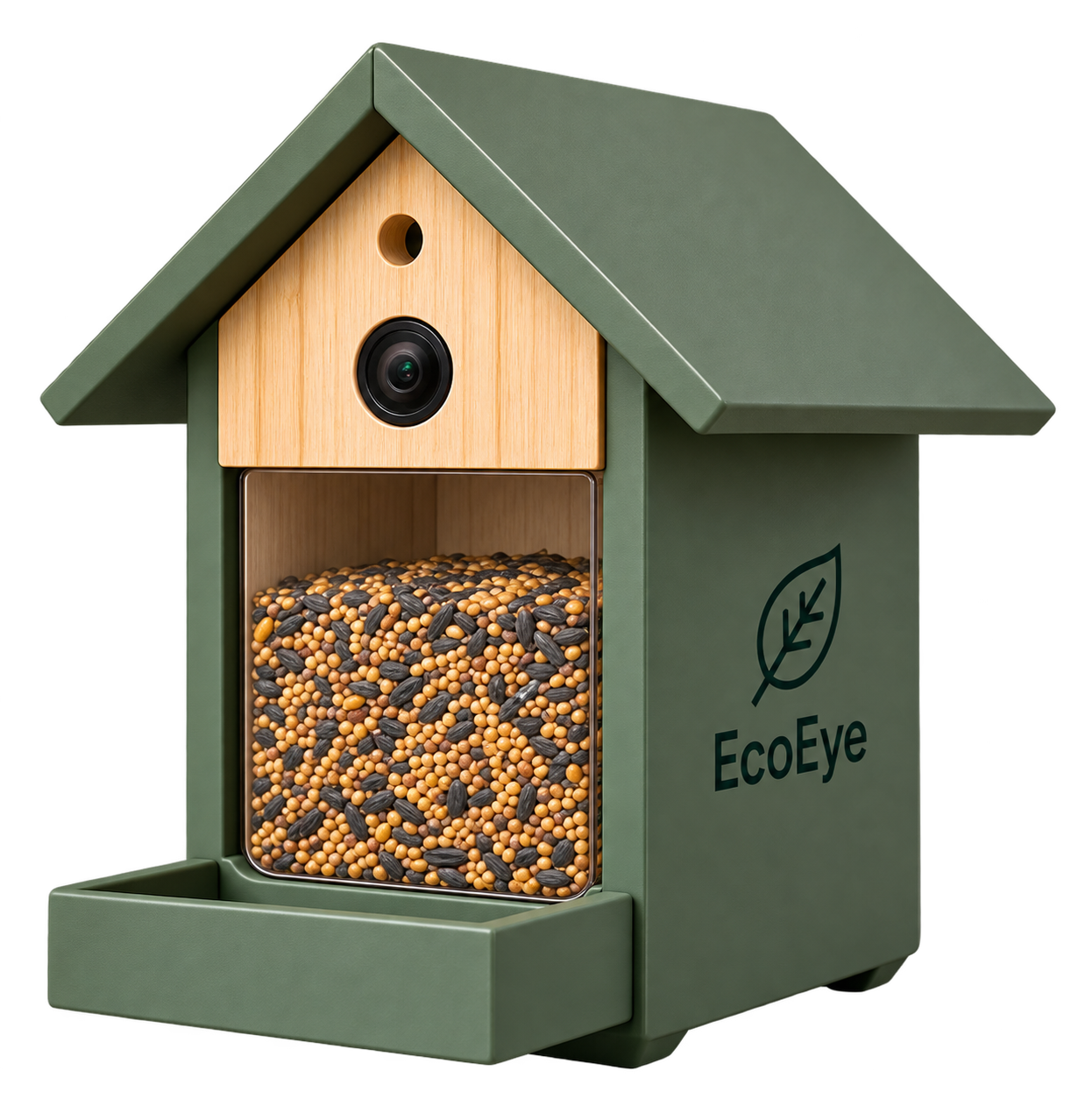
Our team explored how physical prototyping and simple electronics could be used to create more thoughtful interactions with wildlife. Across two iterations, EcoEye evolved from an early cardboard concept into EcoEye 2.0, a sensor-activated wildlife feeder designed around controlled feeding, education and outdoor use.

SAFETY
Controlled feeding designed with wildlife well-being in mind.

LEARNING
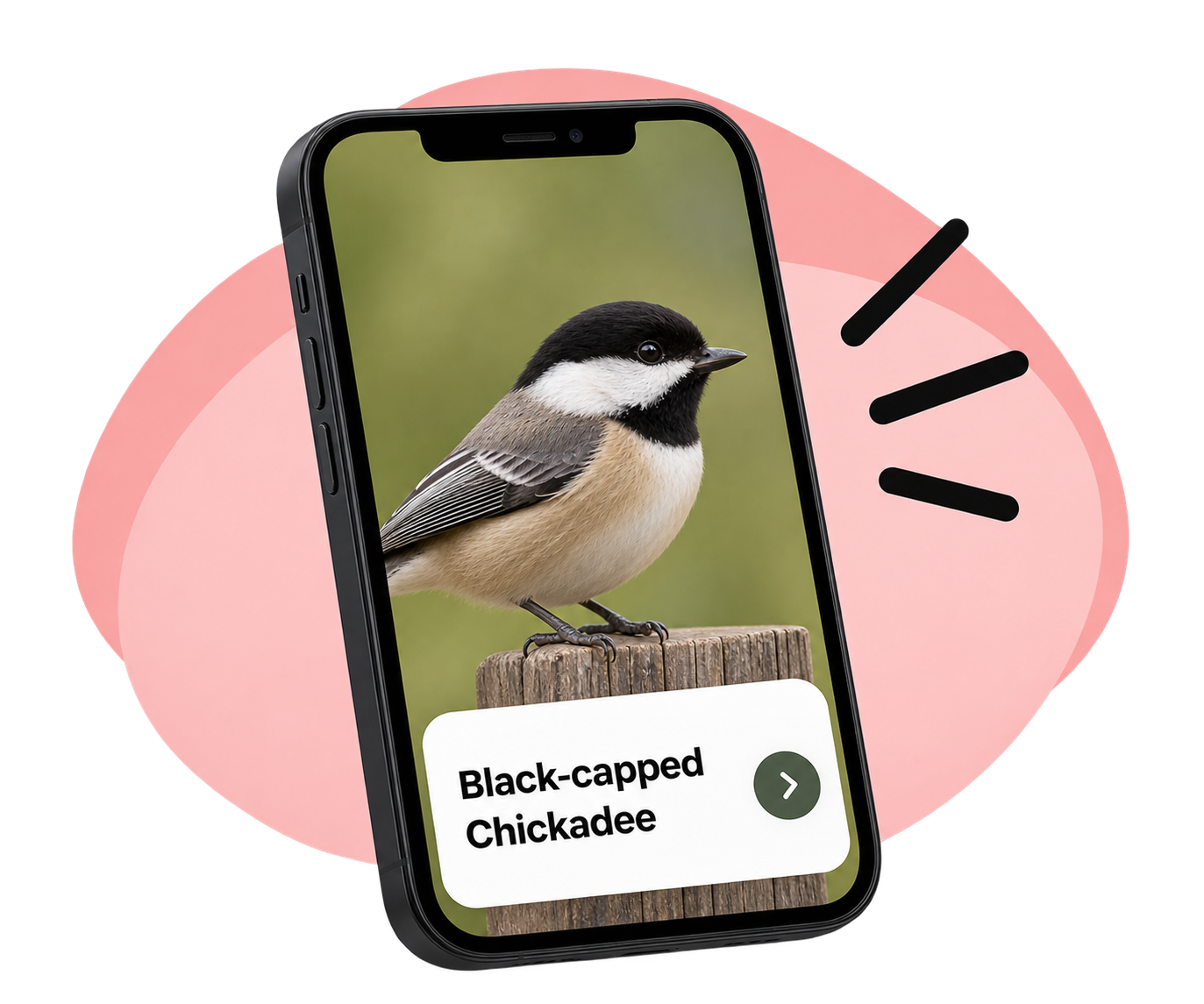
A QR code helps users learn more about wildlife.

ACCESSIBILITY
Lightweight and simple to place outdoors.
THE PROBLEM
OUR FIRST PROTOTYPE REVEALED THE REAL PROBLEM.
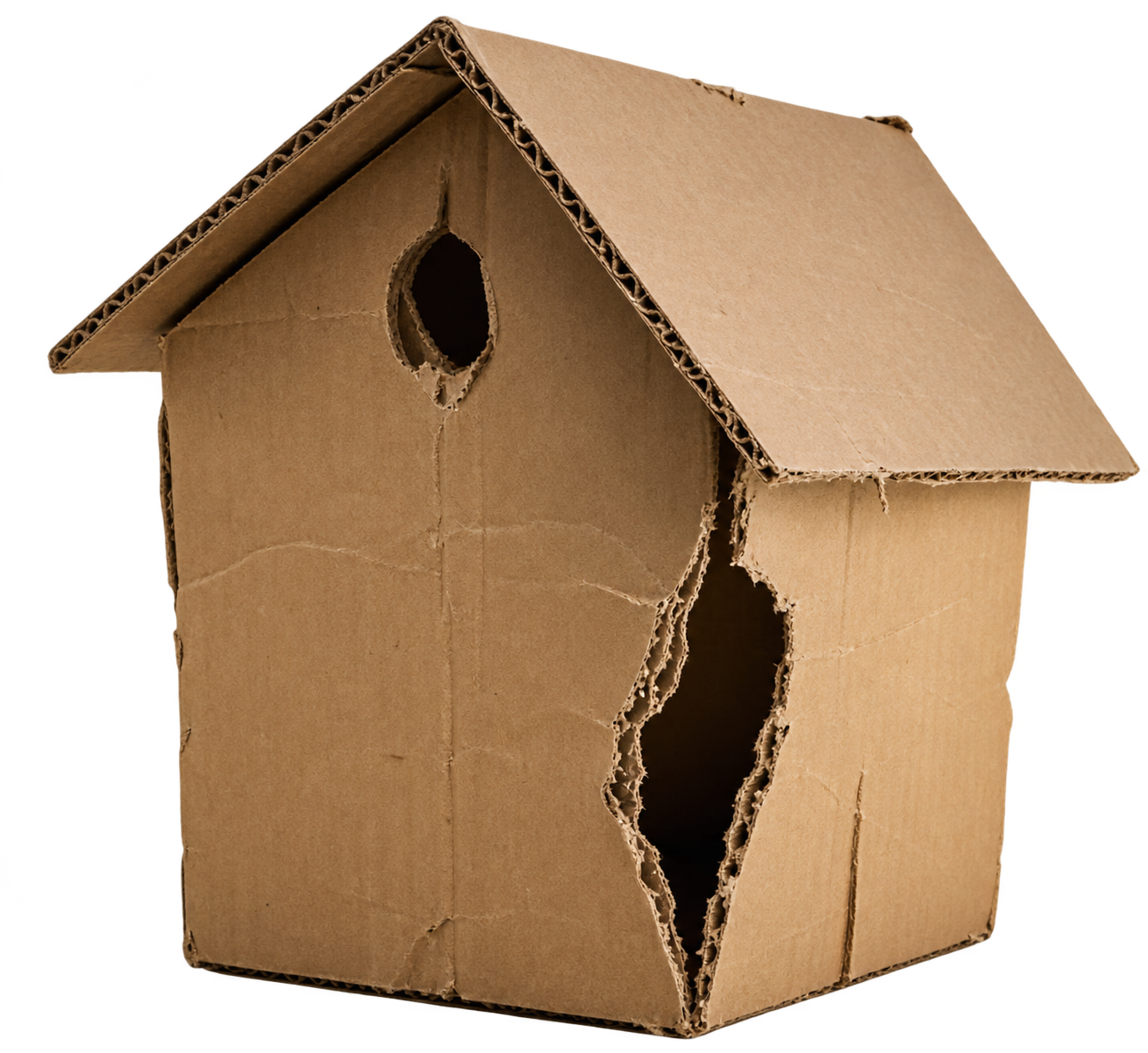
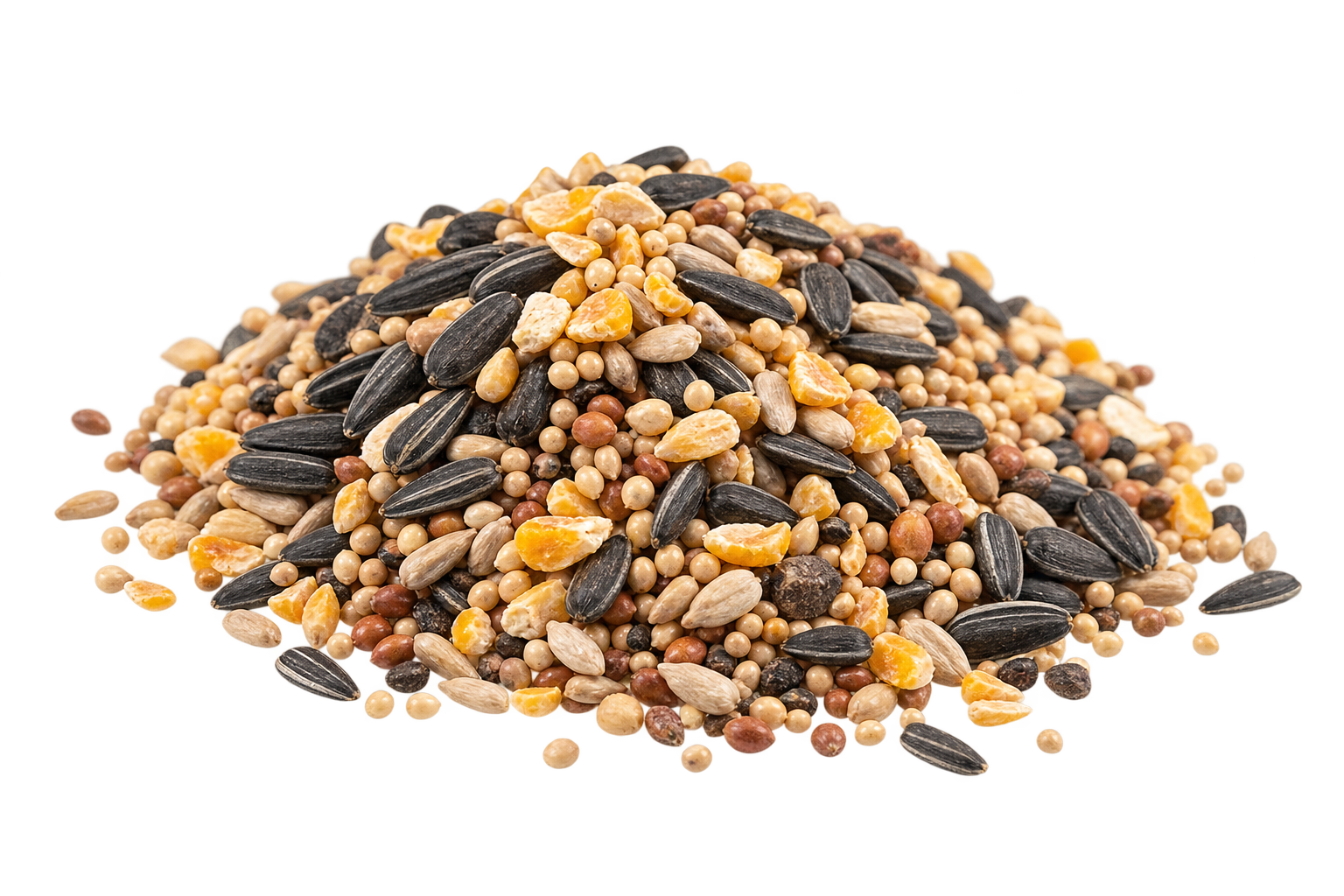
EcoEye 1.0 gave us a starting point, but testing exposed several limitations. The cardboard structure bent easily, the food chute was unreliable, the camera recorded continuously, and there was no way to control food portions or create a learning experience.
FRAGILE STRUCTURE
UNCONTROLLED FEEDING
WASTED ENERGY + STORAGE
HOW MIGHT WE SUPPORT WILDLIFE IN A WAY THAT IS SAFER, SMARTER AND MORE EDUCATIONAL?
NO LEARNING LAYER
DESIGN GOALS
WHAT NEEDED TO CHANGE?
The failures of EcoEye 1.0 gave us three clear priorities for the next iteration.
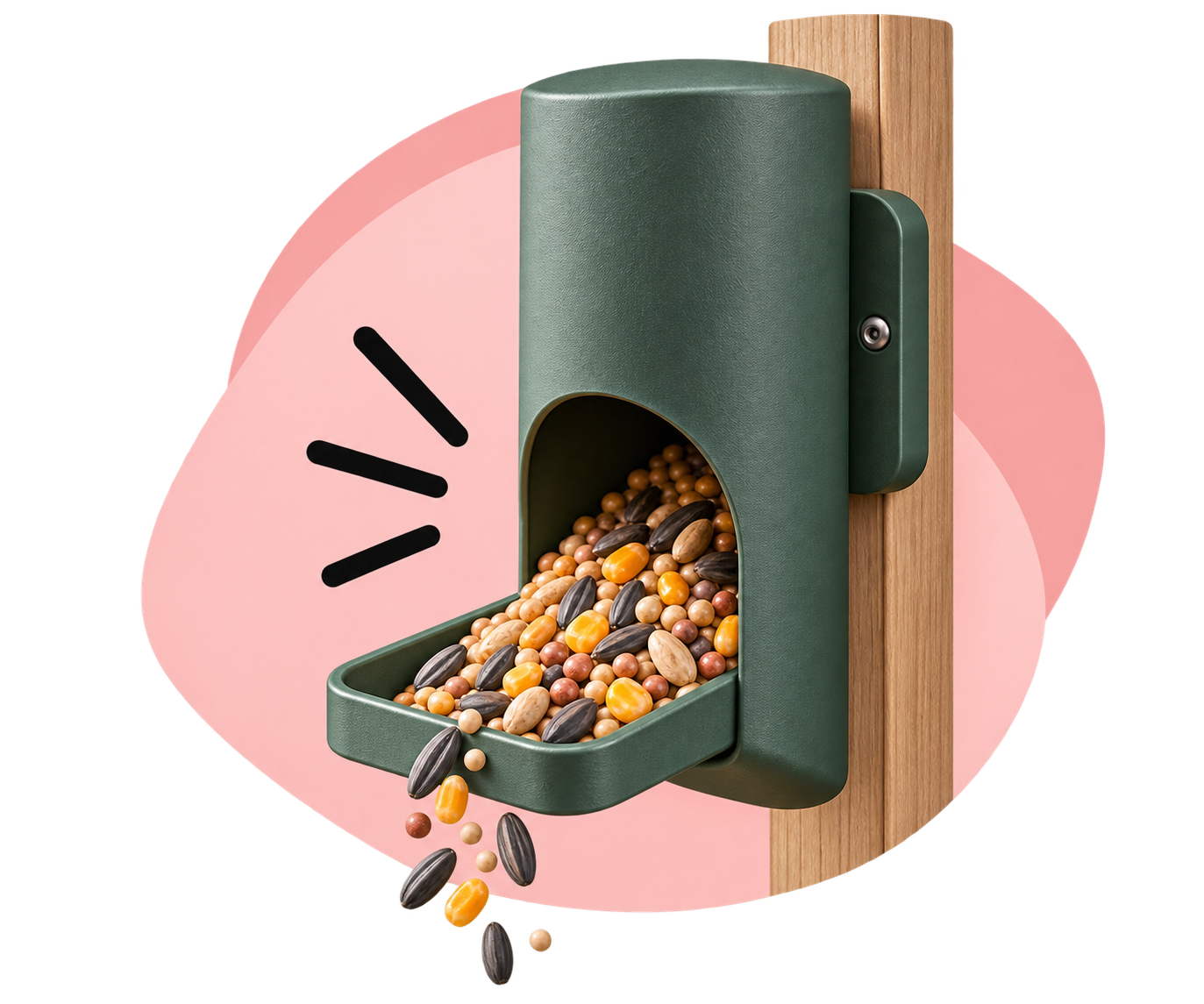
CONTROL
Release smaller portions to help prevent overfeeding.
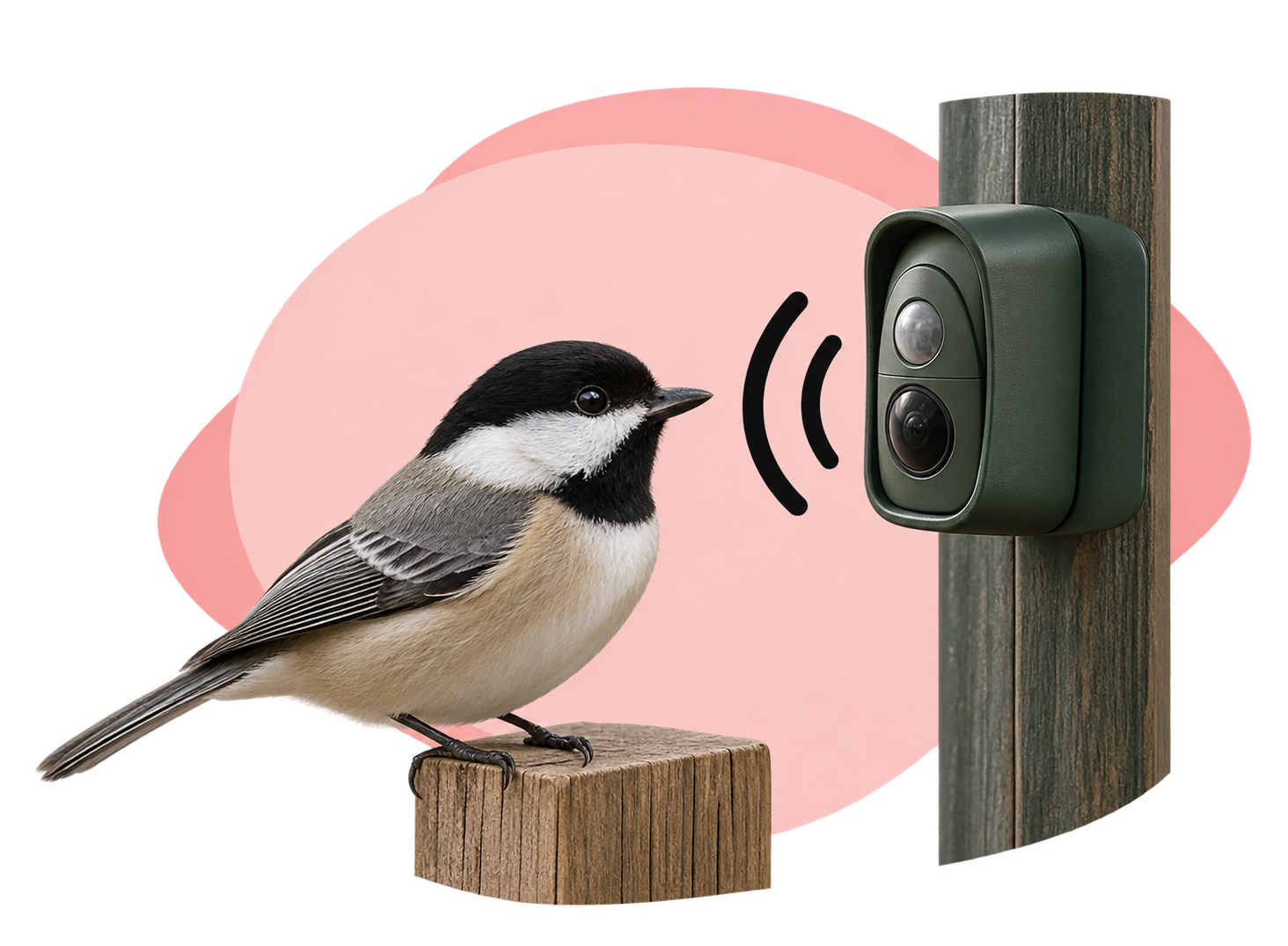
RESPONSIVENESS
Activate only when an animal is nearby.
LEARNING
Give people an opportunity to learn about wildlife.
FROM 1.0 → 2.0
LEARNING FROM THE FIRST BUILD.
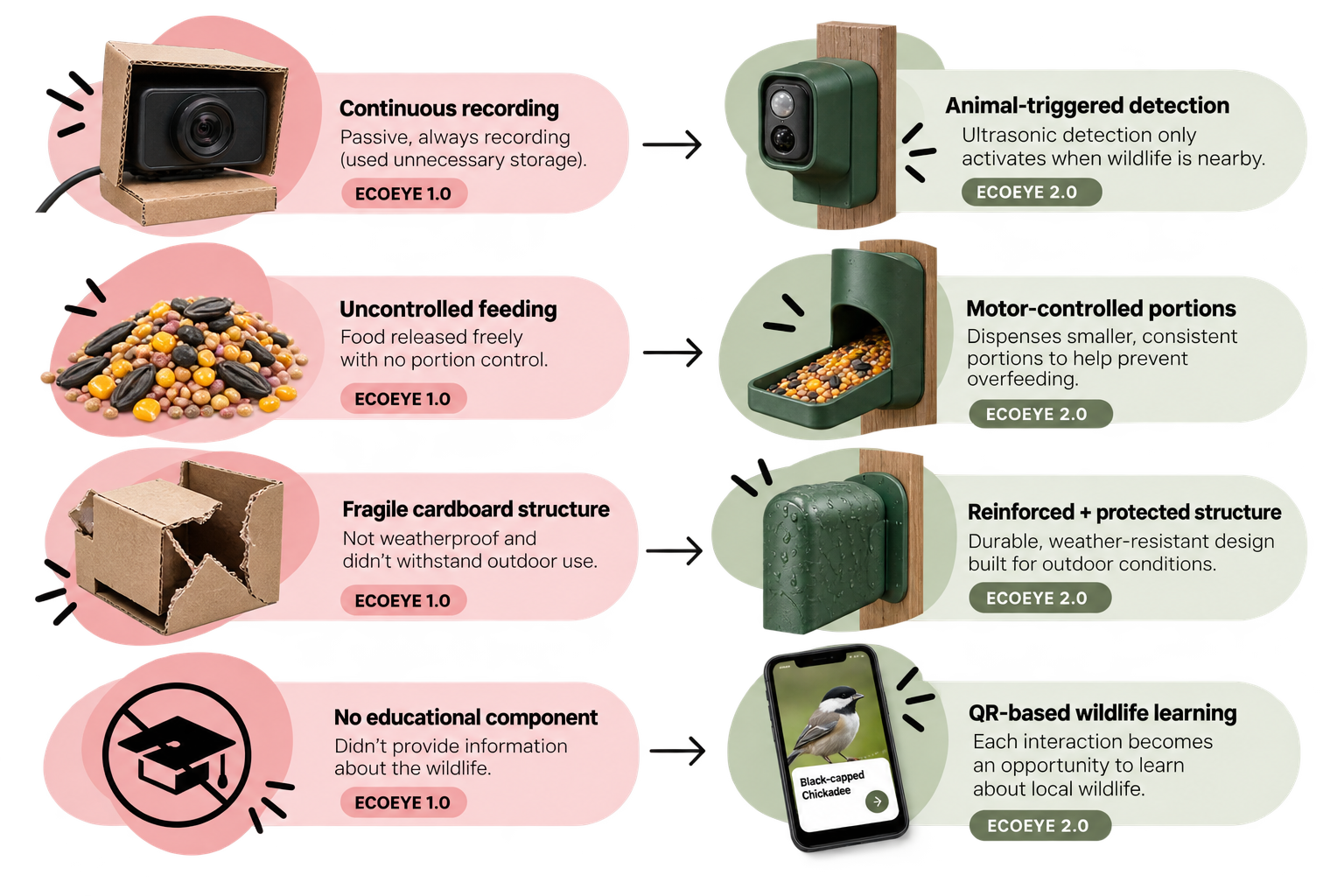
Testing EcoEye 1.0 showed us exactly what needed to change. Each limitation became a design decision for EcoEye 2.0.
DESIGN PROCESS
FROM RESEARCH TO REAL-WORLD PROTOTYPING.
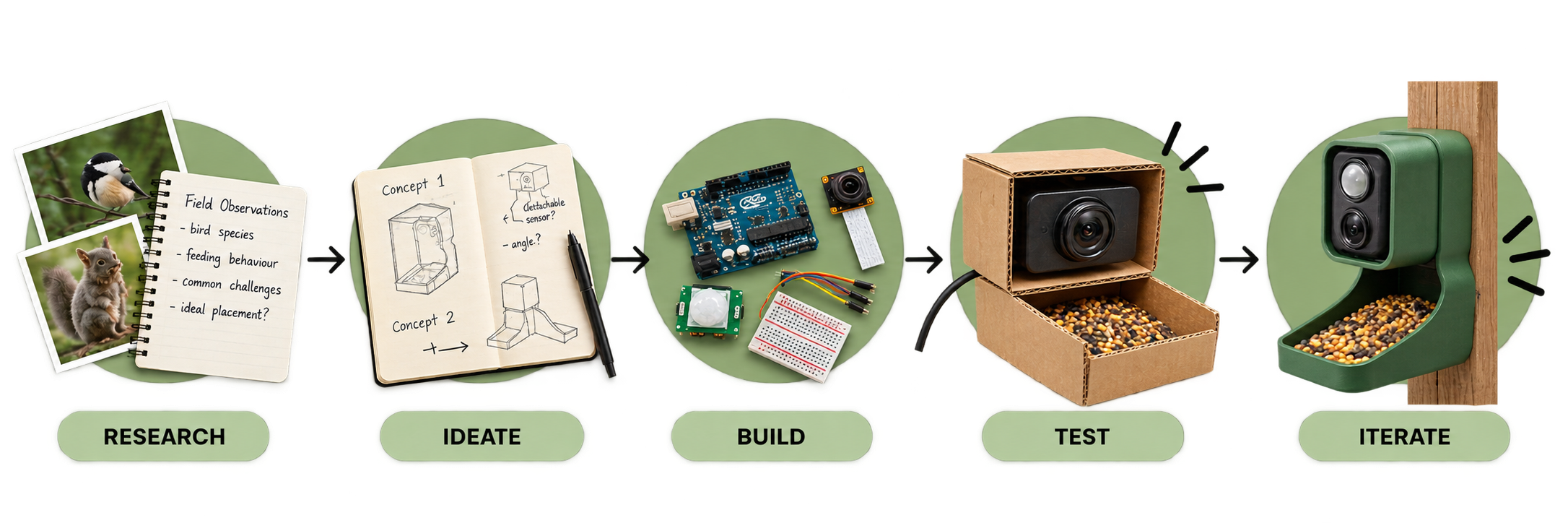
We used the limitations of EcoEye 1.0 as our starting point and explored how sensors, simple electronics and physical design could create a more intentional wildlife-feeding experience.
RESEARCH → IDEATE → BUILD → TEST → ITERATE
ITERATION
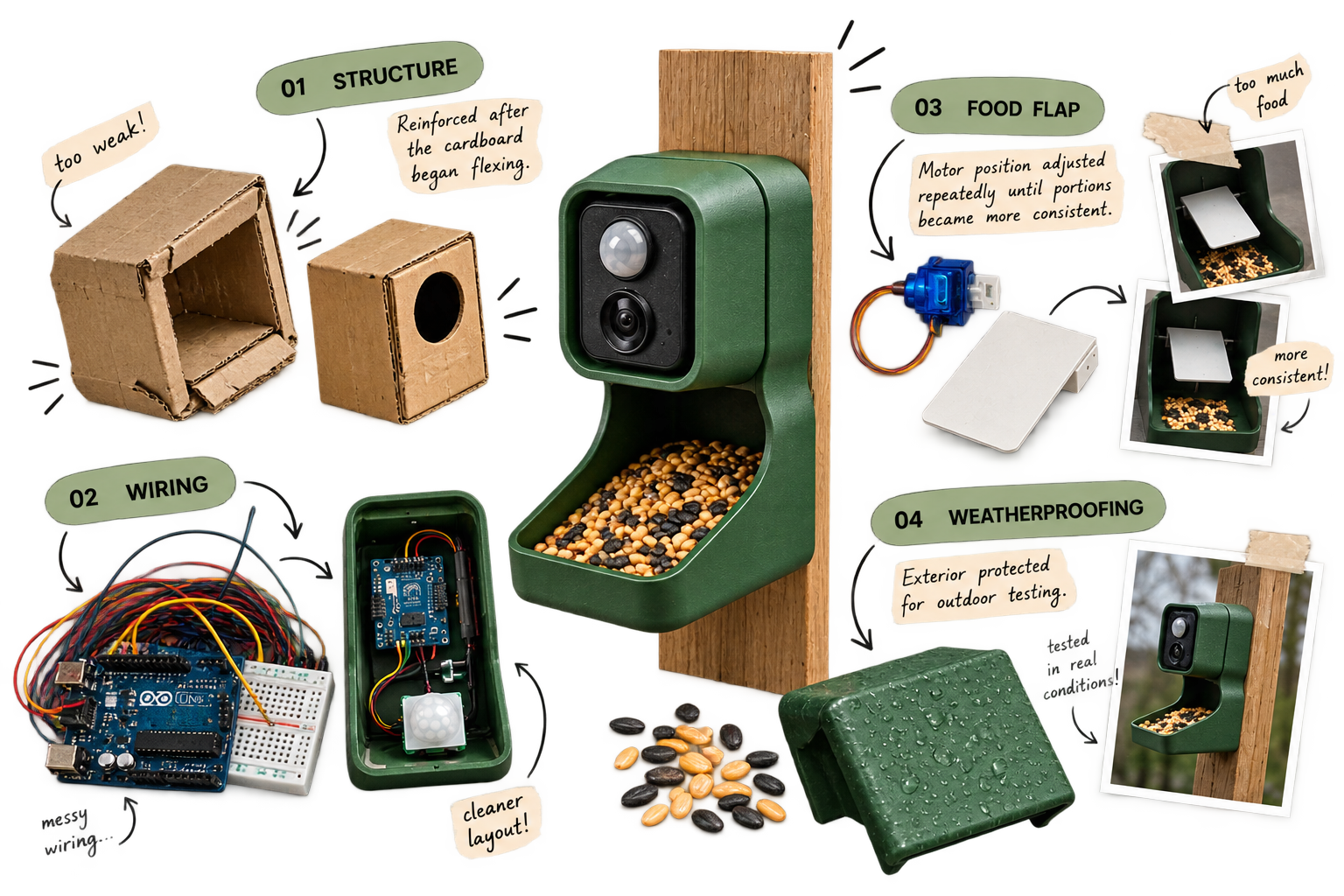
BUILD. BREAK. ADJUST. REPEAT.
Our final direction came from testing the details, not getting them right the first time.
THE FINAL PROTOTYPE
MEET ECO EYE 2.0
A smarter, more intentional way to interact with wildlife.
OUTCOME
SAFER FEEDING. SMARTER INTERACTION.
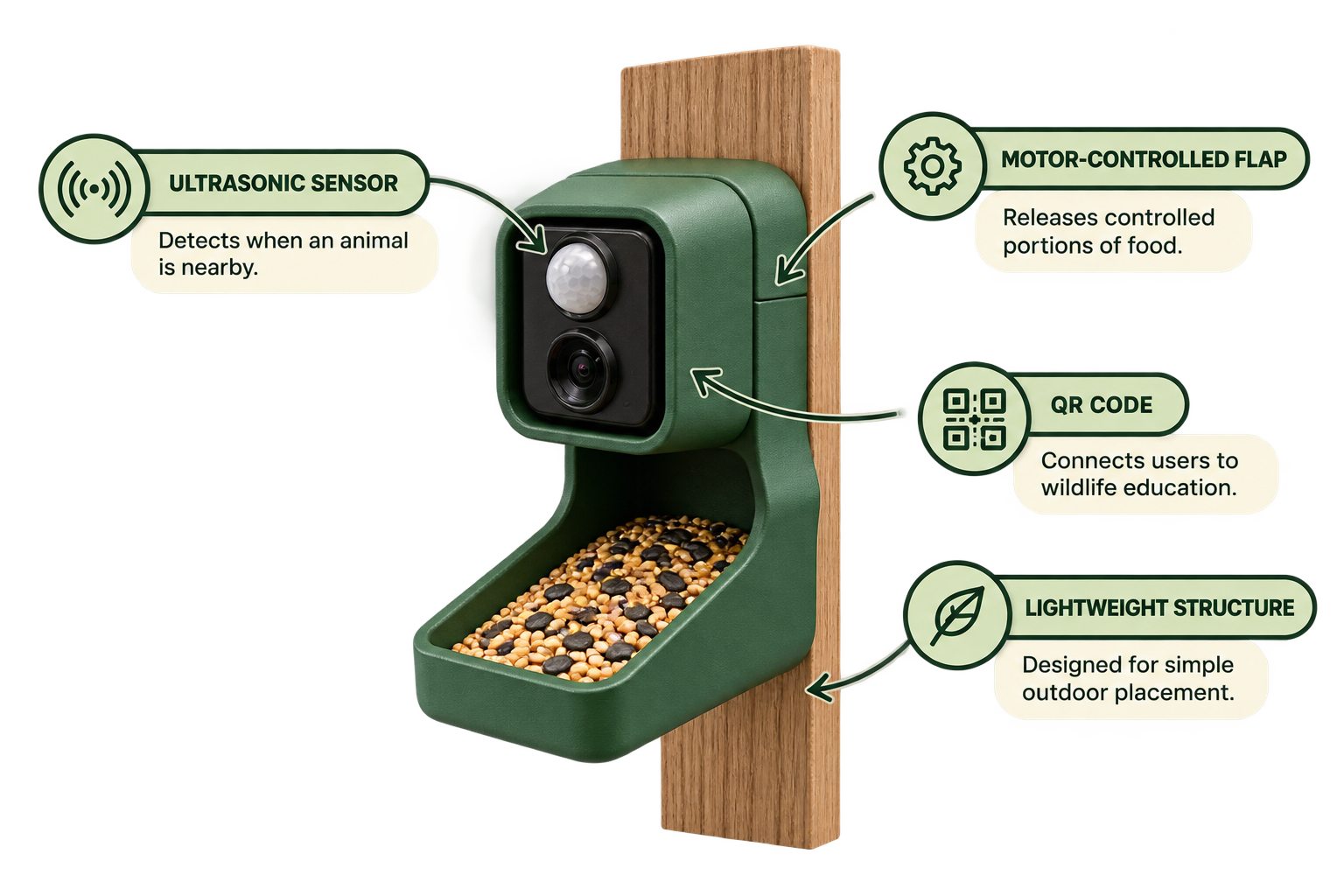
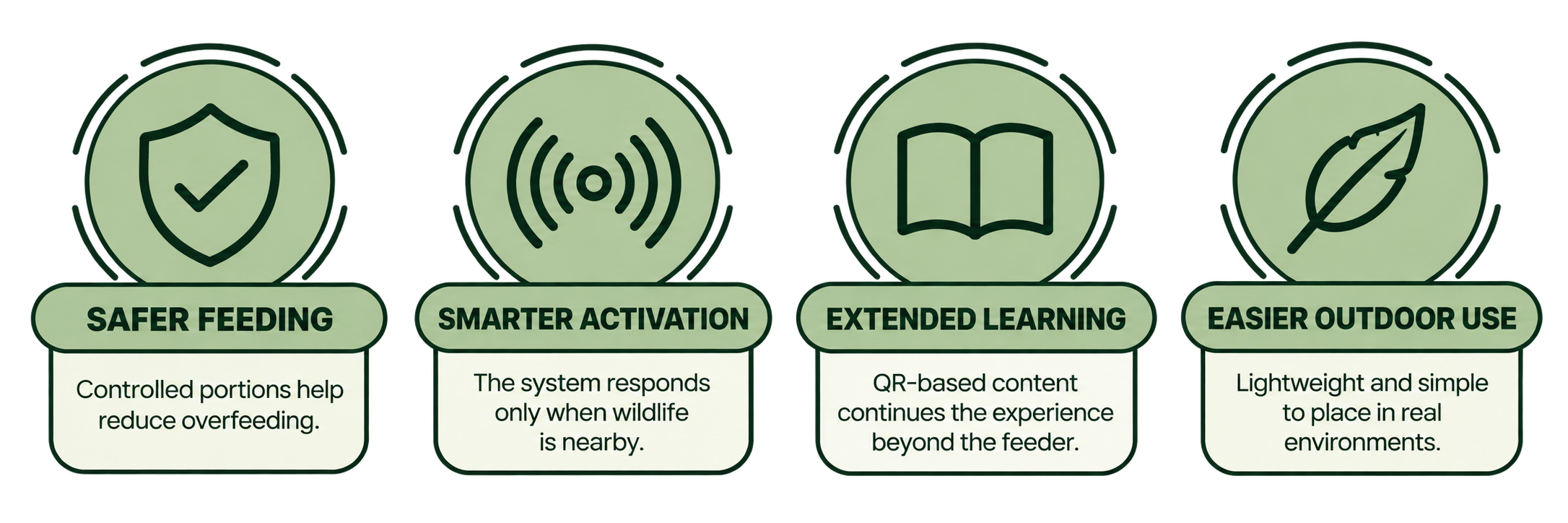
EcoEye 2.0 addressed the major limitations we discovered in the first prototype by introducing controlled feeding, proximity-based activation and an educational component.
STILL TO EXPLORE
Long-term weatherproofing and testing with users in real outdoor environments.
REFLECTION
UX DOESN'T STOP AT THE SCREEN.
EcoEye taught me that user experience can shape physical interactions just as much as digital ones. Designing for wildlife meant thinking beyond the person using the product and considering animals, materials, weather and the environment as part of the experience.
DESIGN FOR REAL CONDITIONS
TEST SMALL. TEST OFTEN.
Frequent testing helped us catch structural and mechanical problems early.
DESIGN FOR REAL CONDITIONS
Real environments introduce challenges you can't always predict.
DESIGN BEYOND THE USER
The impact of a design extends to everyone and everything interacting with it.